



The Future of SAP Business One Cloud: Web Client, Extensibility, and Version 11
Enterprise software is evolving rapidly, and ERP systems are no exception. Businesses today expect solutions that are flexible, accessible from anywhere, and capable of integrating with modern digital tools. In this changing landscape, SAP Business One Cloud continues to evolve as a powerful ERP platform designed for small and mid-sized businesses that need enterprise-level capabilities without complex infrastructure.
With the introduction of new technologies, the growing adoption of the SAP Business One Web Client, and the upcoming innovations expected in Version 11, the future of SAP Business One Cloud is becoming even more promising. These developments aim to enhance usability, expand integration capabilities, and make ERP systems more adaptable to modern business needs.
In this article, we explore how the web client, extensibility, and the next generation of SAP Business One Cloud innovations will shape the future of ERP for growing companies.
The Shift Toward Cloud-Based ERP
Over the past decade, companies have increasingly moved their ERP systems to the cloud. Traditional on-premise deployments required organizations to manage hardware, maintain servers, and handle software updates internally. This approach often created significant operational complexity and IT costs. With SAP Business One Cloud, businesses gain access to a flexible ERP system hosted in secure cloud environments. This approach offers several advantages:- remote accessibility from any location
- reduced IT infrastructure management
- automatic updates and maintenance
- improved scalability for growing companies
The SAP Business One Web Client: A New User Experience
One of the most important developments shaping the future of SAP Business One Cloud is the SAP Business One Web Client. The web client represents a significant shift from traditional desktop-based ERP interfaces. Instead of requiring installed software on local machines, the web client allows users to access SAP Business One directly through a browser.What Makes the Web Client Important?
The web client brings several advantages to organizations using SAP Business One Cloud:Browser-Based Access
Users can log into SAP Business One using a standard web browser without installing desktop applications. This makes it easier for employees to work from different devices or locations.Improved User Interface
The web client introduces a modern, intuitive interface designed to improve productivity and simplify navigation across ERP functions.Better Accessibility for Remote Teams
With distributed work environments becoming common, the web client allows finance teams, sales representatives, and managers to access critical business data from anywhere.Continuous Innovation
Because the web client is browser-based, new features and improvements can be delivered faster without requiring complex system upgrades. As the web client continues to evolve, it is expected to become the primary user interface for SAP Business One Cloud.Extensibility: Making ERP Adapt to Your Business
Another key factor shaping the future of SAP Business One Cloud is extensibility. No two businesses operate exactly the same way. While SAP Business One provides comprehensive standard functionality, many companies require customized workflows, integrations, and industry-specific solutions. Extensibility allows organizations to tailor their ERP system to their unique business requirements.The Role of APIs
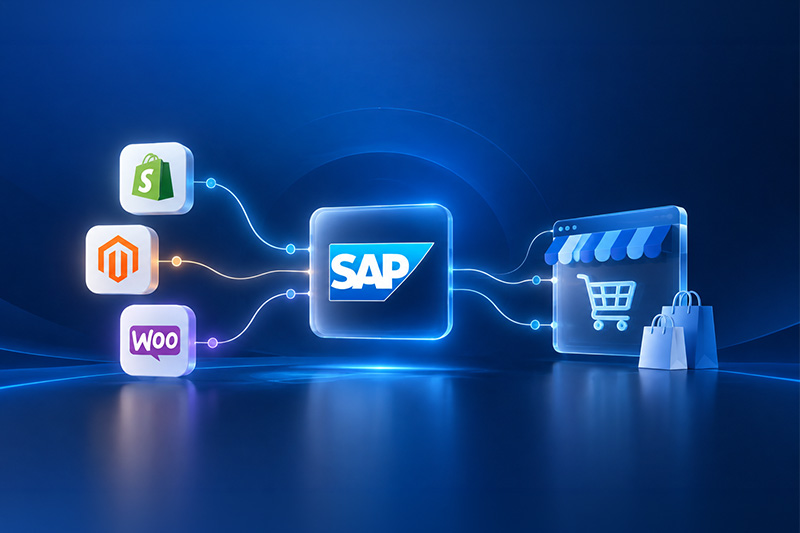
Modern ERP systems rely heavily on APIs (Application Programming Interfaces) to connect with other platforms. SAP Business One provides APIs that enable integration with various business systems, including:- eCommerce platforms such as Shopify or Magento
- CRM solutions like Salesforce or HubSpot
- warehouse management systems
- third-party analytics tools
Custom Add-Ons and Applications
Developers and SAP partners can build custom extensions and add-ons that expand the capabilities of SAP Business One Cloud. For example, companies may develop solutions for:- industry-specific reporting
- advanced inventory management
- automated procurement workflows
- custom dashboards and analytics
SAP Business One Version 11: What Businesses Can Expect
While SAP Business One continues to receive updates and improvements, the industry is looking ahead to Version 11, which is expected to bring further enhancements to the platform. Although SAP has not yet released full details, several trends are likely to influence the development of SAP Business One Cloud in Version 11.Enhanced Web Client Capabilities
Future releases will likely expand the functionality of the web client so that more ERP processes can be managed directly through the browser. This will further reduce reliance on desktop interfaces and make SAP Business One Cloud more accessible.Improved User Experience
Modern ERP users expect intuitive design and simplified workflows. Version 11 is expected to focus on improving usability and productivity across departments such as finance, sales, and operations.Expanded Integration Options
Businesses increasingly rely on digital platforms for eCommerce, marketing, and customer engagement. Future versions of SAP Business One Cloud will likely strengthen integration capabilities with modern SaaS tools.Performance and Scalability Improvements
As businesses generate larger volumes of data, ERP systems must be able to process information quickly and efficiently. Performance optimization and scalability enhancements will remain a priority. These innovations will help ensure that SAP Business One Cloud continues to support growing businesses in a digital-first economy.Why Cloud ERP Matters for Growing Businesses
The evolution of SAP Business One Cloud reflects broader changes in how companies operate. Today’s businesses require ERP systems that are:- accessible from multiple locations
- capable of integrating with digital tools
- scalable as the organization grows
- secure and reliable
- financial management
- sales and customer relationships
- supply chain operations
- inventory management
- business analytics
The Importance of Choosing the Right SAP Partner
While the capabilities of SAP Business One Cloud continue to expand, implementing and managing ERP systems still requires expertise. ERP projects involve many critical steps, including:- system architecture planning
- data migration
- integration with existing platforms
- user training and adoption
- ongoing performance optimization
Why Businesses Trust Ingold Solutions for SAP Business One Cloud
Implementing SAP Business One Cloud successfully requires more than simply installing software. Businesses need a partner who understands how to align ERP technology with real business processes. Ingold Solutions is a trusted SAP Business One partner that helps companies implement and optimize cloud ERP environments tailored to their operational needs. The team at Ingold Solutions supports organizations through every stage of their ERP journey, including:- SAP Business One Cloud implementation
- system architecture and infrastructure planning
- ERP customization and extension development
- integration with eCommerce and digital platforms
- ongoing system optimization and support







 Applicable for Package
 Optional